
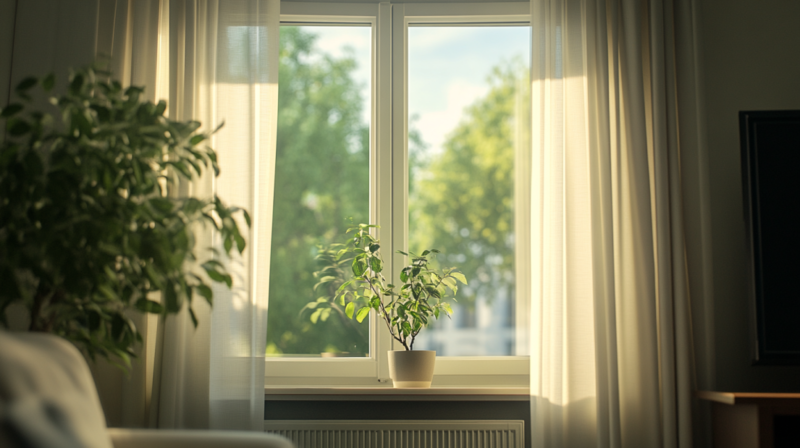
The Simple Habit That Can Make Your Home Feel Better: Open the Windows
Most of us spend a huge amount of time indoors, and the air inside our homes can quietly get stale—especially in seasons when the house is sealed up tight. One of the easiest (and free) ways to refresh your space is also one of the oldest: open your windows and let your home “breathe.”
Here’s why it matters, plus how often to do it and how long to leave them open.
Why opening your windows is good for your home (and you)
1) It helps clear out indoor pollutants
Everyday life creates invisible “indoor air clutter”: cooking fumes, cleaning product vapors, dust, pet dander, and other particles. Bringing in outdoor air helps dilute pollutants that build up indoors, improving overall indoor air quality. (US EPA)
2) It reduces moisture and helps prevent musty smells
Bathrooms, kitchens, laundry rooms, and even breathing overnight add moisture to the air. If humidity stays high, it can contribute to that stale or musty smell and can encourage mold growth over time. A short ventilation “flush” helps move that damp air out and replace it with drier air.
3) It can make your home feel more comfortable
Fresh air exchange can help your home feel less stuffy—especially in rooms that get warm quickly or feel “heavy” after being closed up all day. The EPA notes natural ventilation (like opening windows/doors) can also help moderate indoor temperatures in the right conditions. (US EPA)
4) It supports better airflow during busy, high-activity moments
Cooking, cleaning, hosting guests, working out, kids playing—these all increase heat, odors, and CO₂. Cracking windows can quickly make the whole house feel more balanced.
How often should you open your windows?
A great baseline habit:
✅ Once or twice per day (morning and/or evening)
And then as needed, especially after:
Cooking (especially frying, sautéing, or using the oven)
Showering or baths
Cleaning with strong products
Hosting people indoors
Painting or home projects
The CDC also encourages opening windows and doors as much as you can, when it’s safe, noting that even cracking a window helps. (CDC)
How long should you leave them open?
Think of it like hitting a “refresh” button for your indoor air.
Typical recommendation:
✅ 10–20 minutes is enough for most homes
If you want an easy seasonal rule of thumb:
Winter: 5–10 minutes
Spring/Fall: 10–15 minutes
Summer (mild temps): 20–30 minutes
Pro tip: Cross-ventilate for faster results
Open two windows on opposite sides of the home (or even one window + a door) to create a light breeze path. This “cross flow” clears out stale air much faster than opening a single window.
Best times of day to do it
Morning: Freshen bedrooms and reset the house for the day
Evening: Clear cooking smells and help the house feel cooler and calmer
After showers/cooking: Quick humidity and odor reset
When you shouldn’t open windows
Fresh air is great—but safety and outdoor conditions come first. Skip it when:
Outdoor air quality is poor (wildfire smoke, heavy pollution)
High pollen days (if allergies are severe)
Extreme heat/cold that could stress your HVAC system or comfort
It’s unsafe (pets, small children, security concerns)
The CDC specifically notes not to open windows if it creates a safety or health risk. (CDC)
A simple daily “window routine” (easy to remember)
Daily:
Open 2 windows (or 1 window + door)
10 minutes while you make coffee or tidy up
Close up and enjoy the reset
It’s a small habit, but it can make your home feel noticeably cleaner, lighter, and more comfortable—without buying anything new.
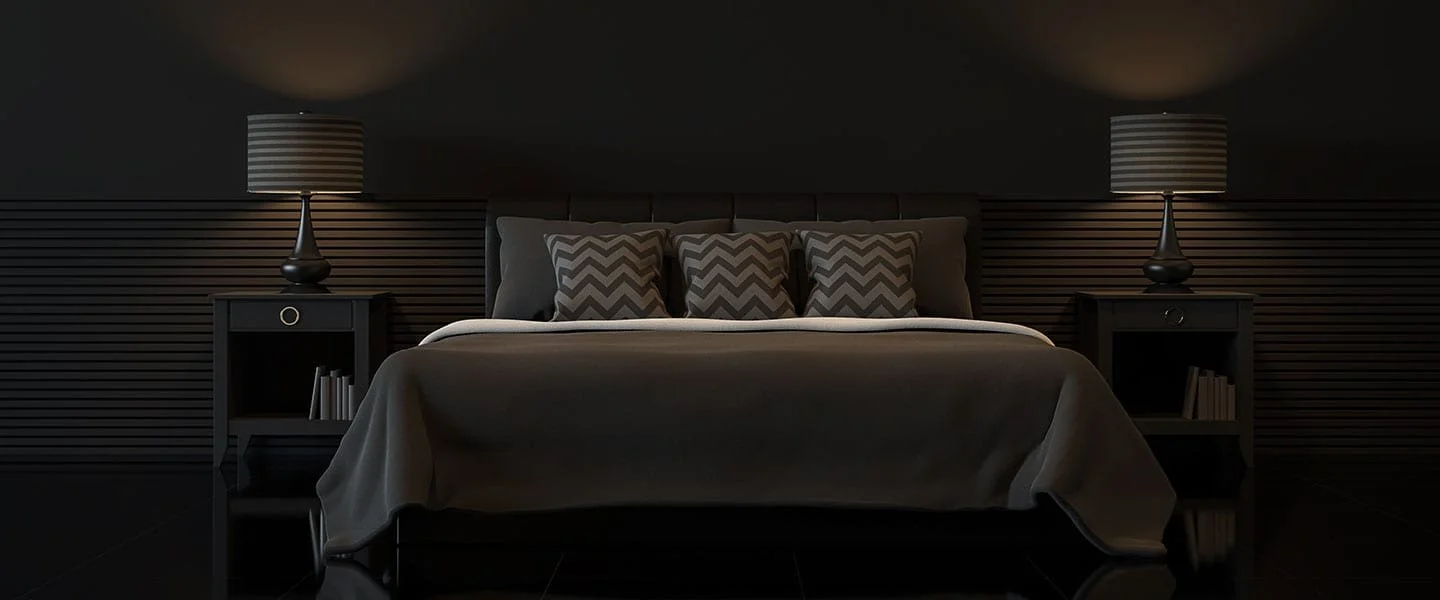
Preparing your bedroom for the best sleep conditions
Your bedroom should act like a “sleep switch”—the moment you walk in, your body gets the message: it’s time to wind down. Here’s how to set it up so it works for your sleep instead of against it.
1) Make it cool (and consistent)
Most people sleep best in a cooler room—often somewhere around the mid-60s °F. Start by setting your thermostat lower at night, using breathable bedding, and minimizing heat buildup during the day.
2) Make it dark—seriously dark
Light tells your brain “stay awake,” even if it’s just a glowing charger LED or streetlight bleed-through. Use blackout curtains, cover or remove small light sources, and consider an eye mask if you can’t fully control the room.
3) Quiet the space (or mask the noise)
If you can’t eliminate sound (traffic, neighbors, pets), use simple blockers: a white-noise machine, a fan, or earplugs. The goal is fewer sudden changes in sound that jolt you lighter in sleep.
4) Upgrade comfort where it counts
A supportive mattress and pillow, plus sheets that match your temperature needs (cooling vs cozy), can make a bigger difference than fancy gadgets.
5) Remove “awake” triggers
Keep the bedroom for sleep (and relaxing), not work or scrolling. If possible, charge your phone outside the room—and at minimum, turn off electronic devices at least 30 minutes before bed.
6) Reduce clutter and add a calming cue
Clutter can feel like unfinished business. Do a quick 2-minute reset (clothes in hamper, surfaces clear). Add one calming cue—like a dim bedside lamp, a tidy nightstand, or a consistent light scent—so your brain starts associating the room with wind-down mode.