
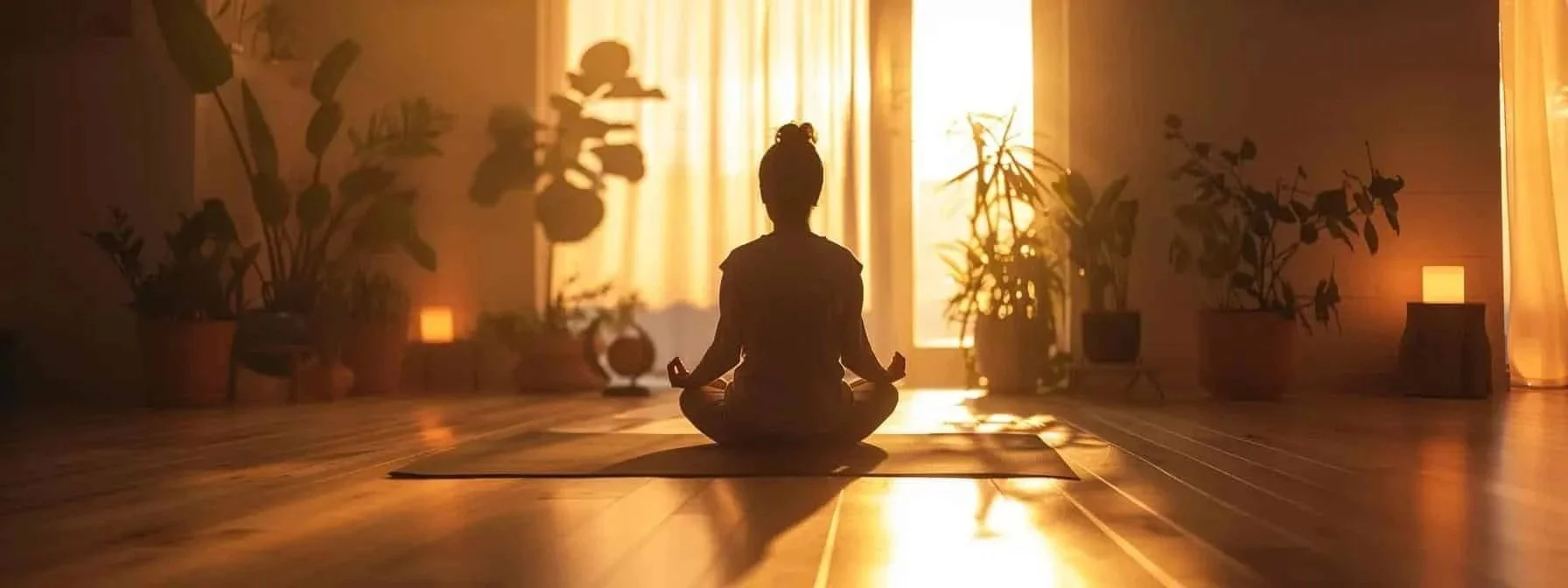
Optimizing Your Home for Wellness: Creating a Space That Supports Mind, Body, and Balance
Your home is more than a place to live—it’s the environment that quietly shapes your energy, habits, and overall well-being. From the moment you wake up to the way you wind down at night, your surroundings influence your stress levels, focus, sleep quality, and physical health. Optimising your home for wellness doesn’t require a full renovation or luxury upgrades. Small, intentional changes can make a meaningful difference.
Below are practical, holistic ways to transform your home into a space that actively supports your wellness.
1. Prioritise Natural Light and Fresh Air
Natural light plays a critical role in regulating circadian rhythms, improving mood, and boosting productivity. Whenever possible:
Open curtains and blinds early in the day
Use sheer window treatments to maximize sunlight
Arrange frequently used spaces—work areas, kitchens, reading nooks—near windows
Fresh air is equally important. Regularly ventilate your home by opening windows, using exhaust fans, or incorporating air-purifying plants to improve indoor air quality.
Wellness payoff: Better sleep, improved mood, and increased daytime energy.
2. Declutter to Reduce Mental Noise
Clutter creates visual stress, even when we’re not consciously aware of it. A cluttered environment often mirrors a cluttered mind.
Start small:
Clear surfaces like nightstands, countertops, and desks
Store items out of sight using baskets or drawers
Keep only items that are functional or meaningful
A good rule of thumb: if it doesn’t serve a purpose or bring joy, it doesn’t deserve prime real estate in your home.
Wellness payoff: Reduced anxiety, improved focus, and a calmer mental state.
3. Choose Calming Colors and Natural Materials
Color psychology matters. Soft neutrals, earth tones, and muted hues create a grounding effect that promotes relaxation.
Consider incorporating:
Warm whites, beiges, sage greens, and soft blues
Natural materials like wood, stone, cotton, linen, and wool
Minimal patterns to avoid visual overload
These elements connect your space to nature, which has been shown to lower stress and enhance emotional well-being.
Wellness payoff: A soothing environment that encourages rest and emotional balance.
4. Designate Wellness Zones
You don’t need a large home to create intentional wellness spaces. Even small zones can reinforce healthy habits.
Examples include:
A quiet corner for meditation, prayer, or journaling
A dedicated workout or stretching area
A tech-free bedroom for better sleep hygiene
By assigning purpose to spaces, you reinforce routines that support physical and mental health.
Wellness payoff: Stronger habits, increased consistency, and intentional living.
5. Optimize Sleep Environments
Sleep is foundational to wellness, and your bedroom should be designed to support it.
Key upgrades:
Comfortable mattress and breathable bedding
Blackout curtains or dim lighting options
Cool room temperature
Removal of unnecessary electronics
Keep your bedroom associated with rest—not work, stress, or screens.
Wellness payoff: Deeper sleep, faster recovery, and improved cognitive performance.
6. Incorporate Nature Indoors
Bringing nature inside is one of the simplest ways to elevate wellness.
Easy additions:
Houseplants (even low-maintenance varieties)
Natural light exposure near greenery
Water elements like small fountains or aquariums
Even visual access to nature—through artwork or photographs—can reduce stress levels.
Wellness payoff: Lower cortisol, improved mood, and enhanced creativity.
7. Be Mindful of Sound and Scent
Your senses shape how your home feels.
For sound:
Use soft furnishings to reduce echo
Play calming music or white noise when needed
For scent:
Choose natural candles or essential oil diffusers
Avoid harsh chemical cleaners and synthetic fragrances
Subtle sensory cues can instantly shift your nervous system toward relaxation.
Wellness payoff: Emotional grounding and a more restorative atmosphere.
Final Thoughts
Optimizing your home for wellness isn’t about perfection—it’s about intention. Every small adjustment compounds over time, supporting healthier habits, reduced stress, and greater peace. When your home aligns with your well-being, it becomes more than a shelter; it becomes a partner in your health journey.
Start with one room, one habit, or one change—and let wellness grow from there.

The Rise of Wellness Features in Real Estate and Their Impact on Resell Value
In recent years, the concept of wellness has expanded beyond personal health and fitness to encompass the very spaces we inhabit. As buyers increasingly prioritize their well-being, real estate developers and homeowners are incorporating wellness features into properties. This trend is not just a fleeting fad; it significantly affects property values and resale potential.
Understanding Wellness Features
Wellness features in real estate refer to design elements and amenities that promote physical, mental, and emotional well-being. These can include:
Natural Light: Ample windows and open layouts that maximize sunlight exposure can improve mood and reduce stress.
Air Quality: Advanced ventilation systems, air purifiers, and the use of non-toxic building materials help maintain healthy indoor air quality.
Biophilic Design: Incorporating nature into living spaces through greenery, natural materials, and water features fosters a connection with the outdoors.
Fitness Amenities: On-site gyms, yoga studios, and walking paths encourage active lifestyles and promote physical health.
Community Spaces: Areas designed for social interaction, such as gardens, lounges, and communal kitchens, enhance social wellness and foster community ties.
Acoustic Comfort: Soundproofing and careful architectural design can reduce noise pollution, creating a more serene living environment.
Wellness Certifications: Buildings that meet wellness standards, such as those set by the International WELL Building Institute, often have higher appeal to buyers.
The Financial Impact of Wellness Features
The incorporation of wellness features can enhance a property’s appeal, leading to increased demand and higher resale values. Here are several ways in which these features impact the real estate market:
1. Market Differentiation
Properties with wellness features stand out in a crowded market. As health-conscious buyers seek homes that align with their lifestyles, wellness-focused properties attract premium offers. Developers who invest in these features can differentiate their projects, appealing to a niche yet growing demographic.
2. Increased Demand
The pandemic has accelerated interest in wellness-oriented living. Buyers are more inclined to invest in homes that offer a healthy and balanced lifestyle. As this demand continues, properties equipped with wellness amenities are likely to see a boost in their market value.
3. Long-term Investment
Investing in wellness features can yield significant returns over time. Homes that prioritize well-being are not just appealing at the point of sale; they often maintain higher values due to their enduring desirability. Buyers recognize that these features contribute to a better quality of life, making them willing to pay more.
4. Sustainability Synergy
Many wellness features align with sustainable building practices, which are increasingly important to today’s buyers. Properties that incorporate energy-efficient designs and sustainable materials appeal to eco-conscious consumers, further enhancing their resale value.
5. Health and Safety Perceptions
In the wake of global health crises, buyers are more aware of the importance of health and safety in their living environments. Homes equipped with advanced air filtration systems, spacious layouts, and communal outdoor areas are perceived as safer and healthier options, making them more attractive on the market.
Conclusion
As the wellness movement continues to influence various sectors, real estate is at the forefront of this transformation. Wellness features not only enhance the quality of life for residents but also significantly impact property values and resale potential. For homeowners and investors alike, recognizing the value of these features can lead to smarter investment choices and a greater appreciation of the spaces we inhabit. As the market evolves, those who prioritize wellness in real estate are likely to reap both immediate and long-term rewards